
If you drove into the mountains this week expecting a wall of red and orange and found a lot of green instead, you are not imagining it. Fall color in the Smokies is running a little behind schedule this year, and the reason is mostly the weather we have had since Labor Day.
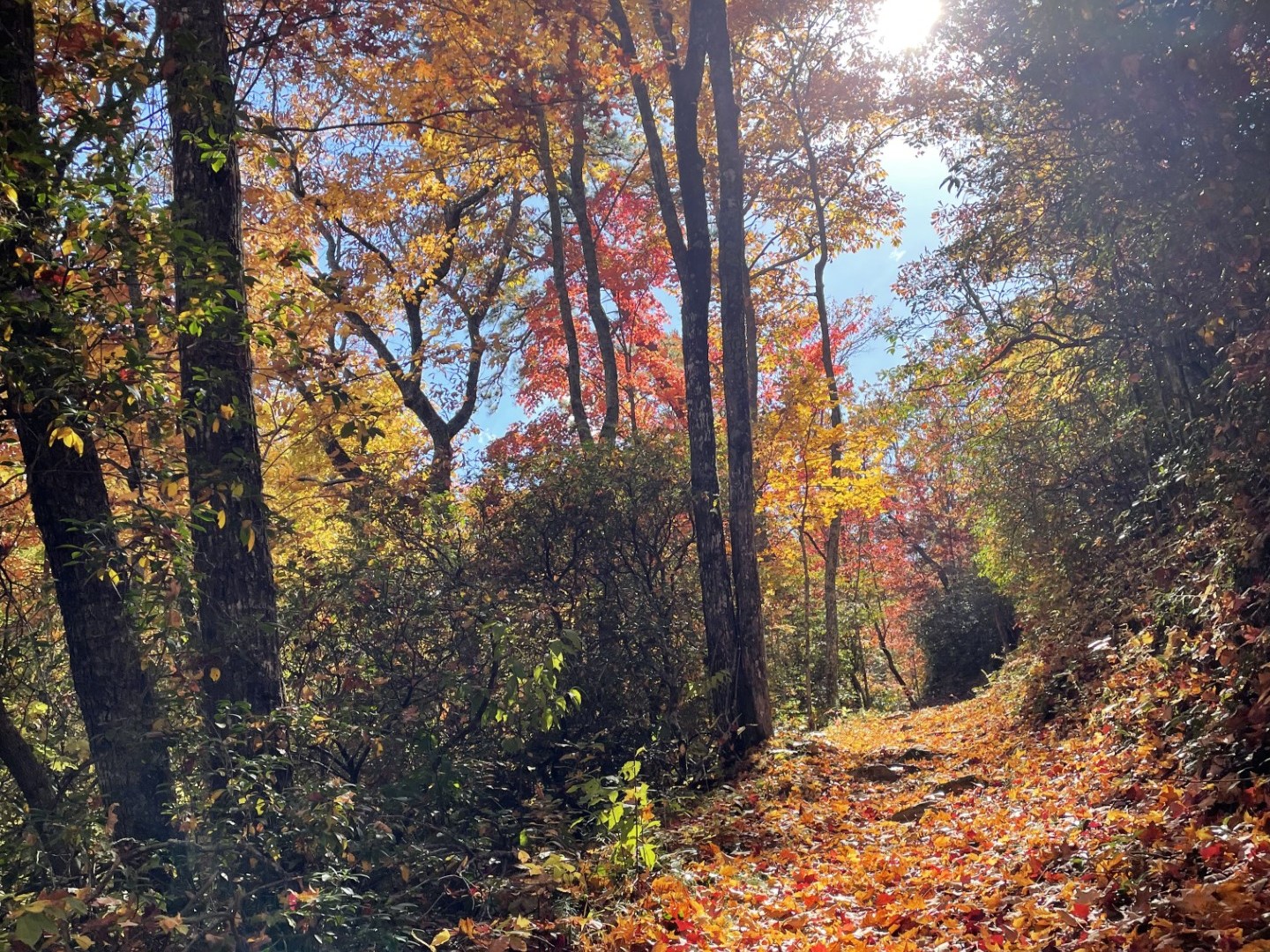
Why the leaves are slow to turn
Knoxville meteorologists at WVLT explained it on October 16. Twenty-five of September’s 30 days were warmer than average, many of them well above normal, and October has thrown in its own share of summer-like afternoons.
The bigger factor is what happens after dark. Cool nights are what break down chlorophyll, the pigment that keeps leaves green. Once it fades, the yellows and oranges underneath show through and the reds start to form. We just have not had many of those crisp nights yet. A dry couple of weeks may also be affecting how fast the color comes in and how bright it gets, according to WIVK’s report on the same forecast.
The good news is that forecasters expect temperatures to settle back to more normal levels next week, with cooler mornings and overnight lows that should push things along. So the show is late, not canceled.
Where to look for color right now
Color in the Smokies always starts up high and works its way down. The National Park Service says on its fall colors page that color typically develops above 4,000 feet in early to mid-October, while the best displays below 4,000 feet usually come between mid-October and early November. The park runs from 875 feet to 6,643 feet at Kuwohi, so there is color somewhere for several weeks.
With that in mind, here is how I would plan a trip over the next couple of weeks:
- Go high first. Newfound Gap Road (U.S. 441) reopened October 11 after the Hurricane Isaias wind closure, and it climbs through the elevations where the color shows up first.
- Save the valleys for later. Gatlinburg, Pigeon Forge and the lower parts of the park sit well under 2,000 feet, and the sugar maples, scarlet oaks, red maples, sweetgums, poplars and hickories down here are the ones still waiting on cooler nights. A visit in late October or the first days of November could catch them at their best.
- Try a scenic drive the park itself recommends. The NPS suggests the Foothills Parkway, Cades Cove Loop Road, Roaring Fork Motor Nature Trail, Lakeview Drive on the North Carolina side, and the nearby Blue Ridge Parkway. Cades Cove and Roaring Fork are one-way and get very busy in October, so expect to go slow.
- Walk a fall hike. The park’s own picks include Porters Creek Trail (where the rebuilt Messer Barn is now open again), the Little River, Cucumber Gap and Jakes Creek loop near Elkmont, Cove Hardwood Trail, the Oconaluftee River Trail and Look Rock Tower off the Foothills Parkway.
A few things to know before you go
October is the busiest month of the year in the park, and that will not change just because the leaves are late. Buy and print your parking tag at home before you come, since you will need one for any stop longer than 15 minutes, and have a backup plan in mind for when a popular lot is full.
Check the park’s current conditions page before you head out, too. Laurel Falls Trail is still closed for rehabilitation, Bullhead Trail closes Monday through Thursday through November 19, and some areas have bear-related closures this fall. Bears and elk are both busy this time of year, so give them plenty of room.
We will keep an eye on how the color moves down the mountains over the next few weeks. If you are planning a trip, a little patience should pay off. You can follow along on our Smoky Mountains fall color chart, which we update every week through the season.