
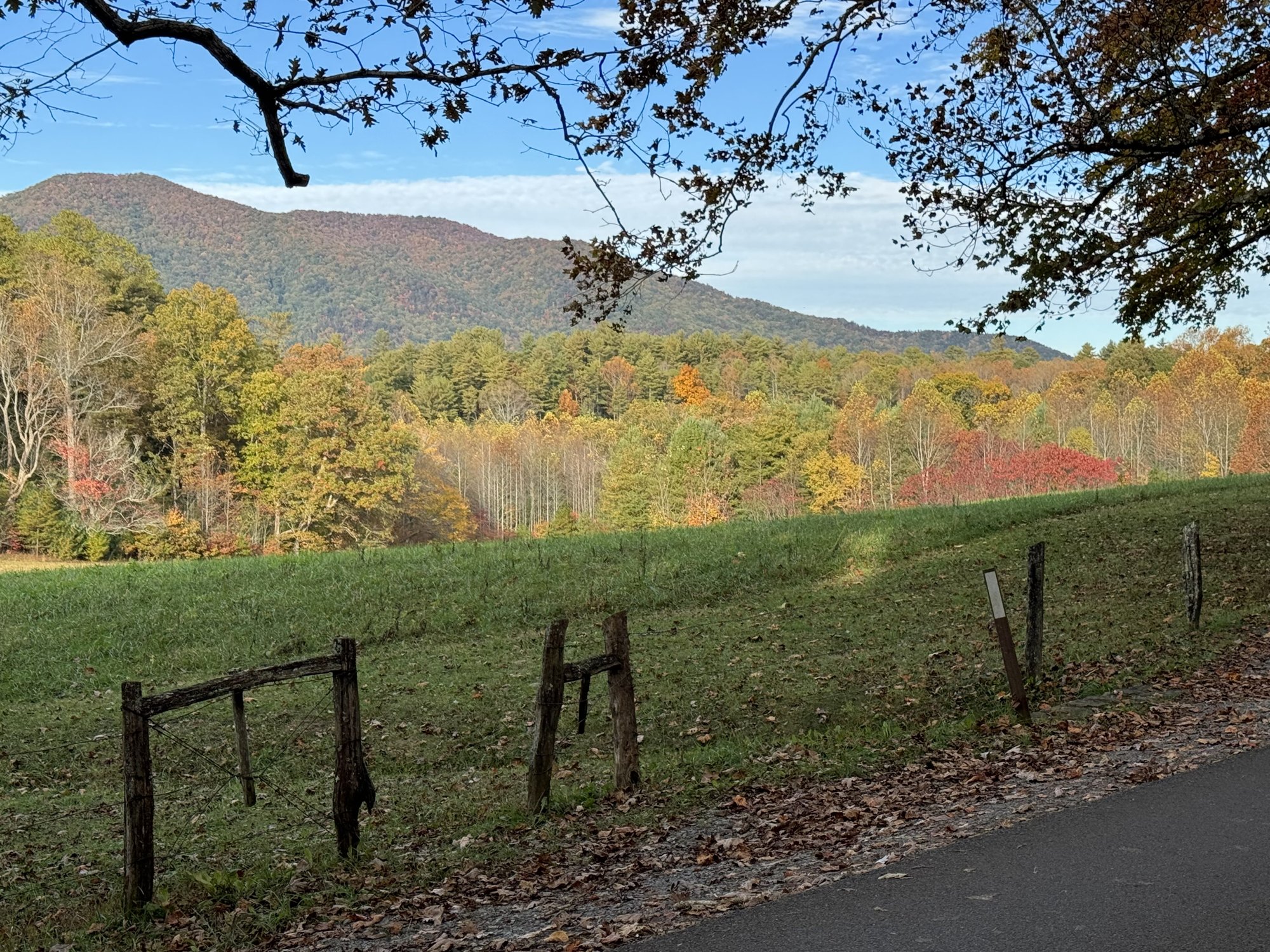
If Cades Cove is the place you go to slow down and breathe, you’ve got plenty of company. A new survey named the cove Tennessee’s No. 1 natural “spiritual home,” The Tennessean reported on October 29, and it also landed at No. 9 in the whole country.
What the survey found
The survey was commissioned by A Mission for Michael, a mental health treatment provider, and asked 3,001 Americans to name the natural place where they feel most at peace and grounded. Tennessee’s top answer was Cades Cove, the broad valley in the Great Smoky Mountains surrounded on every side by mountains.
The reasons people gave for visiting their favorite spot will sound familiar to anyone who has driven the loop on a quiet morning. The most common one, at 36%, was simply feeling stressed or overwhelmed. Others went to work through grief, loneliness or a big life decision. The group pointed out that the cove pairs open scenery with the cabins, churches and barns of the families who lived there, so a visit lets you reflect on real people and real history, not just the view.
Why the cove gets under people’s skin
According to the National Park Service, the first European settlers arrived in Cades Cove between 1818 and 1821, and by 1830 about 271 people lived there. Long before that, Cherokee hunters used the valley. Today it has the widest variety of historic buildings anywhere in the park, including three churches, a working gristmill, barns and log homes, all along an 11-mile, one-way loop road.
A few favorite ways to spend the day:
- Drive the loop slowly and stop at the historic churches and cabins. Pick up the self-guiding tour booklet at the start of the loop road to learn who lived in each place.
- Hike to Abrams Falls, a 25-foot waterfall at the end of a trail of about 5 miles round trip, starting from a trailhead off the loop.
- Watch the fields early and late in the day for deer, turkeys and black bears.
Planning a fall visit
- The loop road is open to cars from sunrise to sunset every day. The park’s vehicle-free Wednesdays ran May 6 to September 30 this year, so there’s no Wednesday closure to work around now.
- Give yourself at least two to four hours for the drive, and more if you plan to hike. The park says traffic is heavy in fall and on weekends, so a weekday morning is your best bet for a calmer trip.
- Daylight saving time ends Sunday, November 1. Since the loop closes at sunset, you’ll have about an hour less of evening light starting next week.
- You need a parking tag to park anywhere in the park for more than 15 minutes, including pullouts and trailheads in the cove. Daily tags are $5, weekly $15 and annual $40, sold online and at visitor centers.
- Use the paved pullouts when you stop for a photo or wildlife, and keep the road clear for the cars behind you.
Two back roads close for the season November 9
If you’d like to leave the cove the long way, now’s the time. Both one-way gravel roads out of Cades Cove are scheduled to close after Monday, November 9, according to the park’s seasonal road schedule:
- Rich Mountain Road climbs north out of the cove toward Townsend.
- Parson Branch Road is an 8-mile, one-way road that winds south toward U.S. 129. The park recommends high-clearance vehicles for it.
- On both roads, motorhomes, buses, vans longer than 25 feet and vehicles towing trailers aren’t allowed.
Give the wildlife room
The cove’s open fields make it one of the best places in the Smokies to see wildlife, which also means people tend to get too close. The park reminds visitors that approaching animals puts both you and them at risk, and that even turkeys have been known to go after people. Stay in or near your car, use binoculars or a zoom lens, and never feed anything. Check the park’s closures and cautions page before you go for any bear warnings.
Whether you go for the history, the wildlife or just a little quiet, it’s easy to see why so many people call Cades Cove their spiritual home. Check the park’s current conditions before you head out, and enjoy the drive.